Navigating Group Dynamics: A Tuckman Model Reflection
"Coming together is a beginning, staying together is progress, and working together is success." — Henry Ford
This semester, I had the opportunity to work on a significant group project that tested not just my technical skills, but more importantly, my ability to collaborate, communicate, and navigate interpersonal dynamics. Looking back through the lens of Tuckman's stages of group development, I can clearly see how our team progressed through each phase, and the valuable lessons learned along the way.
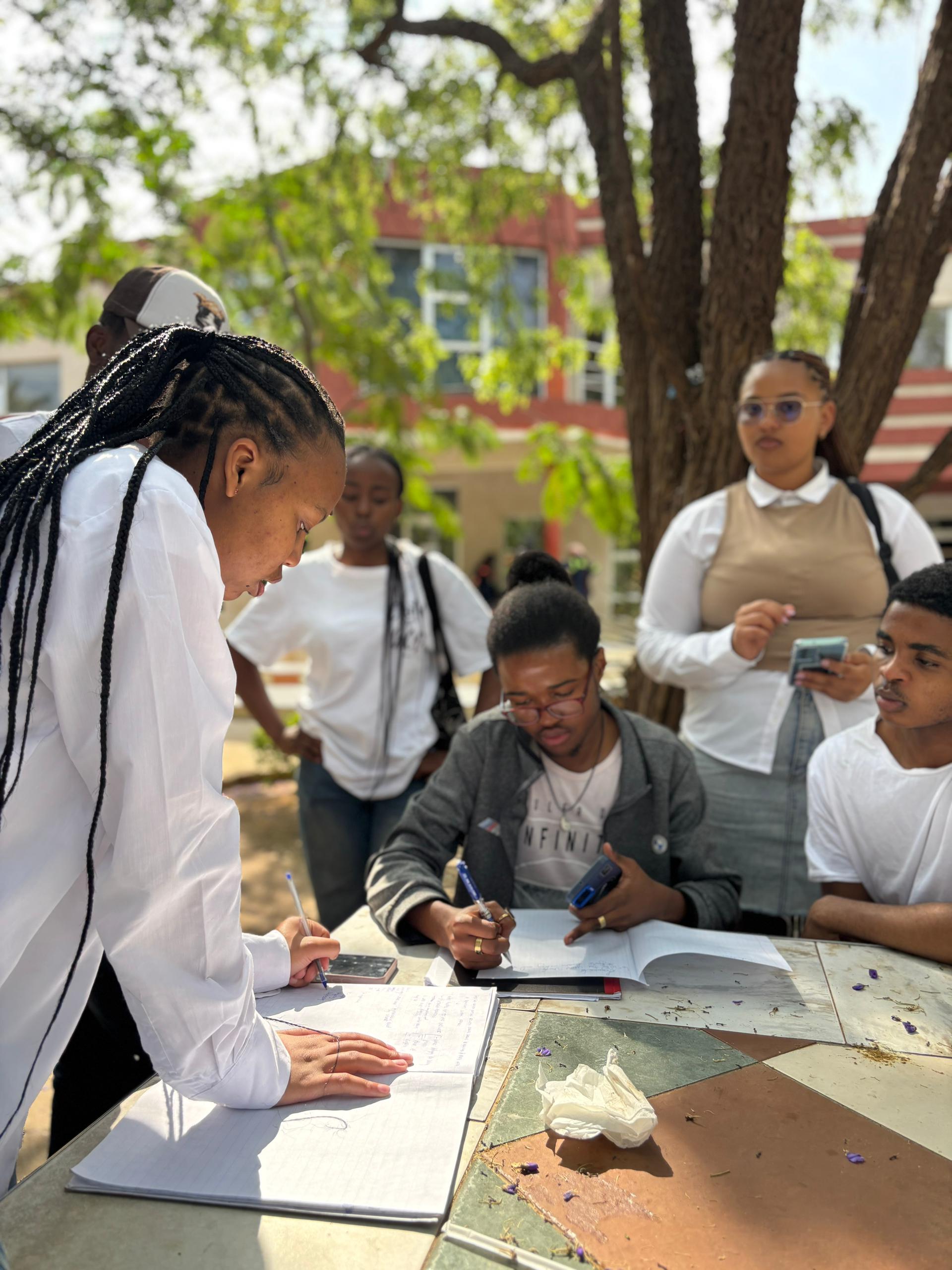
Our team collaborating during the project's final stages
STAGE 1: FORMING
When we first came together as a group of five students, there was a palpable mixture of excitement and apprehension. We were strangers brought together by academic necessity, each carrying our own expectations, work styles, and concerns about how the collaboration would unfold.
INITIAL OBSERVATIONS
- Everyone was polite, professional, and somewhat guarded
- We focused heavily on understanding the project requirements
- Initial role discussions were surface-level and diplomatic
- There was uncertainty about leadership and decision-making processes
- Team members were cautious about expressing dissenting opinions
During this phase, we spent considerable time in our first meetings simply getting to know each other, discussing our schedules, and establishing basic communication channels. We created a WhatsApp group and scheduled regular check-ins. Everything felt optimistic but somewhat superficial—we hadn't yet encountered the challenges that would truly test our teamwork.
STAGE 2: STORMING
If forming was characterized by politeness, storming was marked by reality. About two weeks into the project, cracks began to appear. Different work ethic, conflicting schedules, and varying standards of quality led to our first real conflicts. I remember one particularly tense meeting where disagreements about the project direction became heated.
Two team members had completely different visions for our approach. One favored a conservative, tested method, while another pushed for a more innovative but risky strategy. Meanwhile, concerns emerged about unequal workload distribution—some felt they were carrying more weight than others.
CHALLENGES FACED
- Conflicting communication styles causing misunderstandings
- Disagreements about task priorities and deadlines
- Emergence of cliques within the larger group
- Frustration with perceived lack of contribution from some members
- Tension between perfectionism and pragmatism
This was uncomfortable but necessary. I learned that conflict, when handled constructively, is not the death of collaboration but rather a critical step toward genuine teamwork. We had to address these issues head-on rather than let them fester.
STAGE 3: NORMING
After our storming phase, we held a crucial "clearing the air" meeting. This was transformative. We established ground rules, clarified expectations, and most importantly, created systems for accountability and conflict resolution. This marked our transition into the norming stage.
We implemented several key changes: created a shared project management board to track tasks, established weekly check-ins with rotating facilitators, and agreed on clear deadlines with buffer time. We also developed a system where each person's contribution would be reviewed by at least one other team member, ensuring quality while distributing the load.
WHAT WORKED
- Transparent communication about workload and constraints
- Recognition of each person's unique strengths
- Flexible task allocation based on individual expertise
- Regular positive reinforcement and appreciation
- Willingness to compromise and adapt approaches
During this phase, I noticed a shift in our interactions. Humor emerged more naturally, people felt comfortable sharing concerns without fear of judgment, and we started celebrating small wins together. The group began to feel like an actual team.
STAGE 4: PERFORMING
By the final stretch of our project, we had become a well-oiled machine. Tasks were completed efficiently, communication was seamless, and problem-solving became collaborative rather than combative. We had developed an intuitive understanding of each other's working styles and could anticipate potential issues before they became problems.
What impressed me most was how we handled unexpected challenges during this phase. When we encountered a technical setback just days before our presentation, instead of panicking or pointing fingers, we quickly regrouped, assessed our options, and implemented a solution. Each person knew their role and executed it flawlessly.
STAGE 5: ADJOURNING
As our project concluded successfully, there was a bittersweet feeling. We had formed genuine connections and developed an effective working relationship, but our collaboration was coming to an end. In our final meeting, we took time to reflect on our journey, acknowledge each person's contributions, and discuss lessons learned.
KEY TAKEAWAYS
1. Trust is earned through consistency: Reliable follow-through on commitments builds trust faster than any team-building exercise.
2. Conflict can be constructive: Disagreements, when handled respectfully, lead to better solutions than artificial harmony.
3. Communication is multifaceted: It's not just about talking—it's about active listening, clarity, and emotional intelligence.
4. Flexibility is crucial: Rigid adherence to initial plans often leads to friction. Adaptability keeps teams functional.
5. Appreciation matters: Acknowledging contributions, both big and small, creates positive momentum and strengthens team bonds.
CONCLUSION
Understanding Tuckman's model gave me a framework to make sense of our group's journey. It normalized the challenges we faced and provided reassurance that conflict and discomfort were not signs of failure but natural stages of team development. This experience taught me that successful collaboration requires patience, empathy, clear communication, and a willingness to work through difficulties rather than around them.
As I move forward in my academic and professional career, I carry these lessons with me. I've learned that the ability to work effectively in teams is not innate—it's a skill that must be developed through experience, reflection, and intentional practice. Every group dynamic will be different, but the fundamental principles of respect, communication, and collaboration remain constant.
Group work is more than completing a project—it's about growing as a collaborator, communicator, and teammate. These are skills that will serve me throughout my career and life.